
Pioneer year — twelve weeks before you plant a tree
The pioneer year is the easiest year to skip and the costliest one to lose. The fruit-tree sapling you plant in year one is making promises…
Read the playbook, get the PDF →What we believe
Seven layers, one design. Syntropic agroforestry copies the forest's own succession schedule — pioneer species before fruit trees, ground cover before competing weeds, canopy before drought. Everything we publish is organized around that schedule.
about agripure
agripure is an open-source publication and plant database documenting permaculture, syntropic agroforestry, and regenerative farming across Pakistan. We build ground-truthed guides, species profiles, and resources to help smallholder farmers and land managers transition from conventional agriculture to resilient, multi-strata food forests.
We cover everything from nitrogen-fixing pioneer species like moringa and sesbania to climax canopy trees like fajri aam (Fajri mango) and shakarpara apricot (khurmaani), mapping their climate zone suitability, growth habits, and structural roles within the syntropic succession schedule.
Grow where you are
Choose a region and agripure reads its plant profiles in your hardiness scale, keeps your hemisphere’s season, and puts the guides written for you first. Nothing moves — the same pages, in your lens.
The playbook
The pioneer year is the easiest year to skip and the costliest one to lose. The fruit-tree sapling you plant in year one is making promises…
Read the playbook, get the PDF →Here is a concise, source‑based snapshot aligned to your four focus questions. Note that “syntropic agriculture” in the Götsch sense is sti…
Read the playbook, get the PDF →1. Götsch – managing the “climax” / late-secondary–climax phase (≈ years 5–15) Concepts are scattered; there is no single canonical protoco…
Read the playbook, get the PDF →1. Farm‑gate revenues for mature Pakistani multi‑strata agroforestry systems – PARC and PHDEC report commodity-wise farm returns, but not m…
Read the playbook, get the PDF →Latest
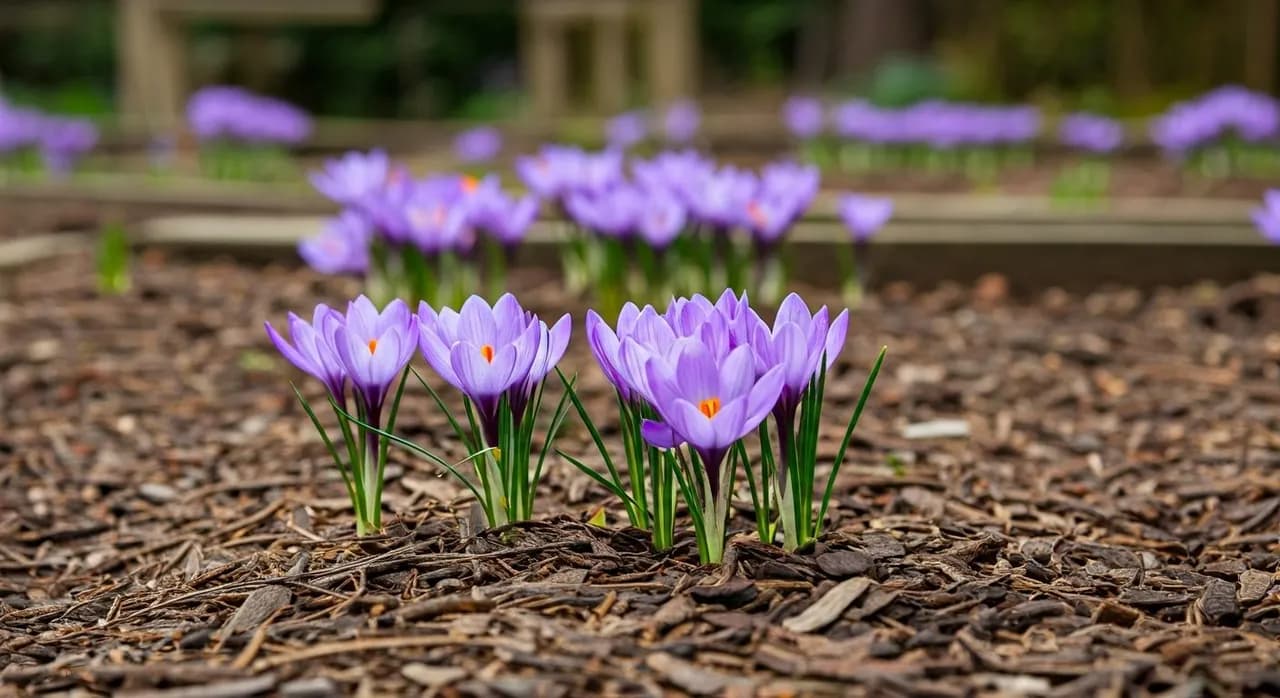
How to grow saffron in USDA Zones 6-9, covering planting depth, soil preparation, and drainage for successful cultivation in various US regions.
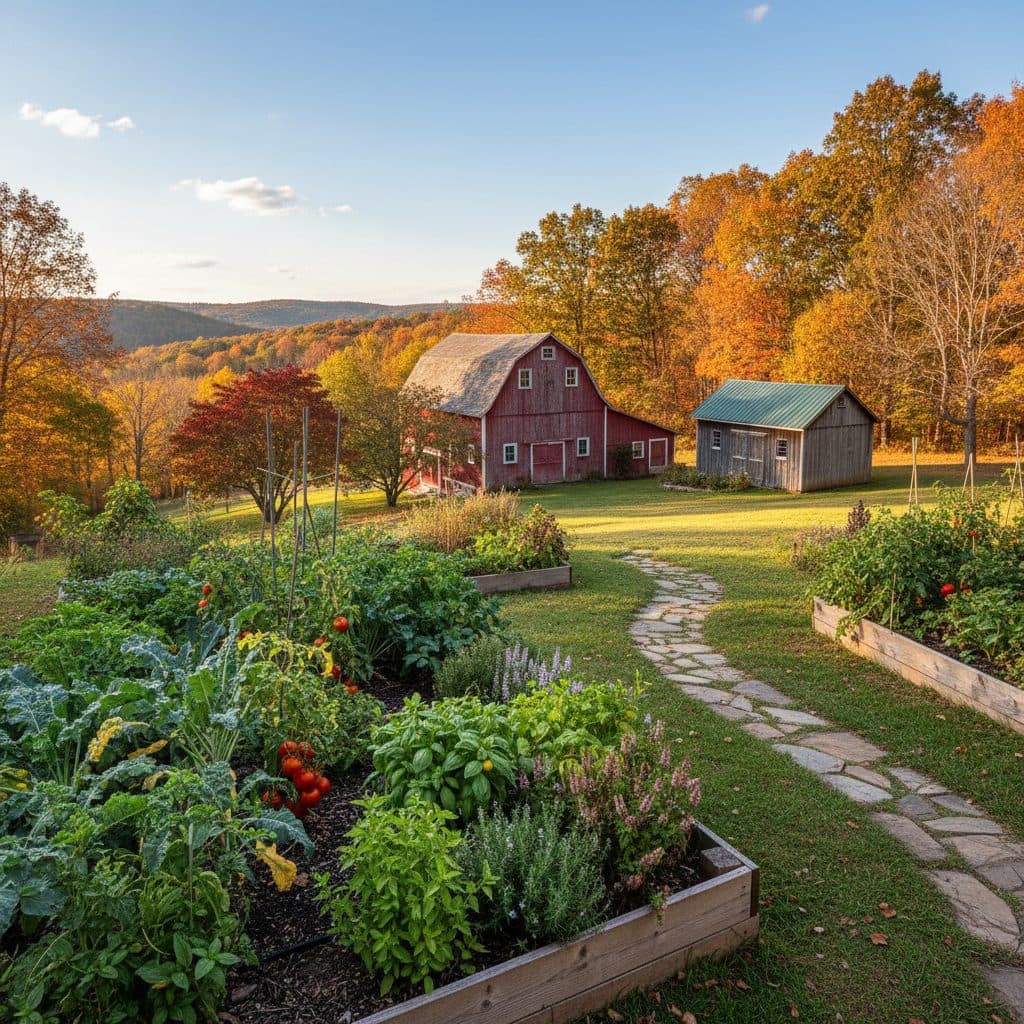
How to select and source high-quality saffron corms for USDA zones 6-8, including climate requirements, soil preparation, and planting advice.
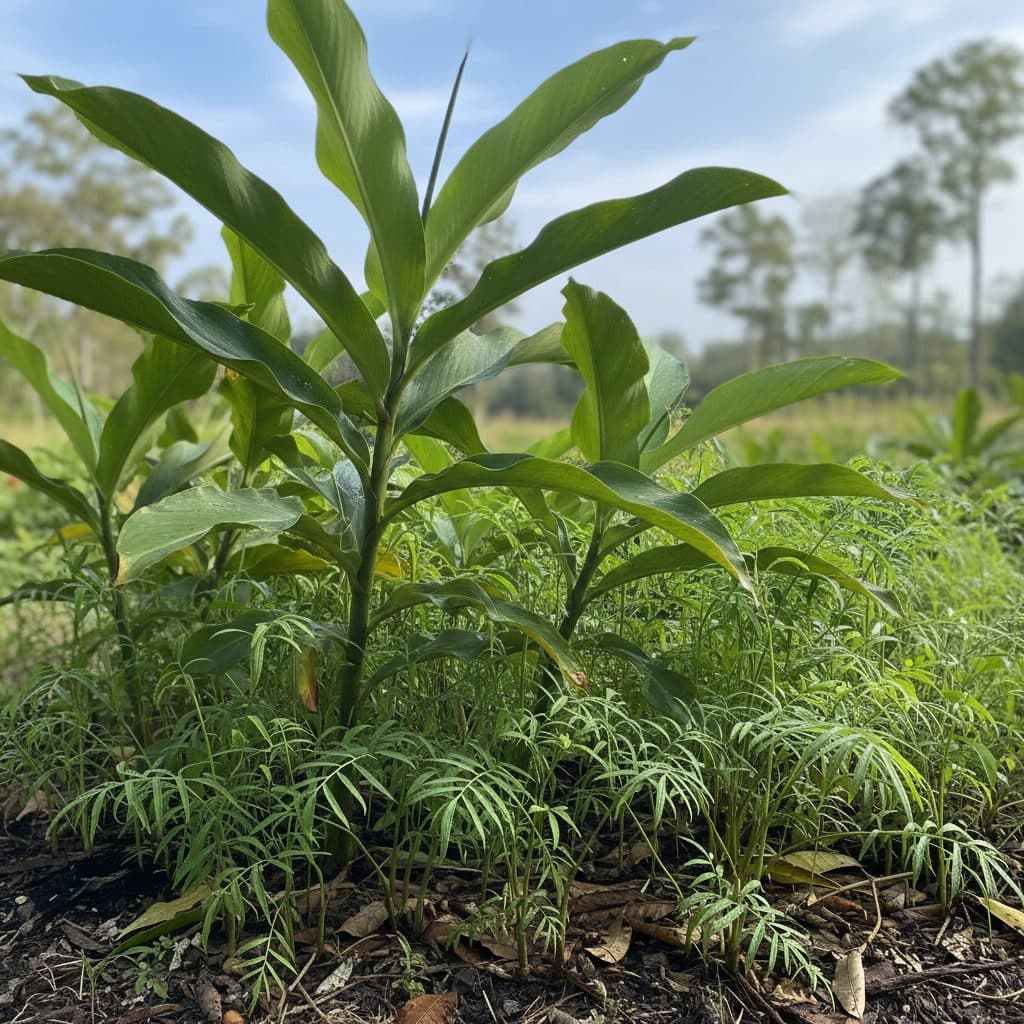
Learn how to successfully grow galangal and fingerroot, tropical ginger relatives, in USDA Zones 8-11. This guide covers planting, soil, and care for a bountiful harvest.
Plants index — sampler
New to the database
A note from the field, weekly


